Review structure, product fit, assembly, artwork and finish on the right kind of physical sample before releasing a custom packaging production run.
Separate structural approval from visual approval
A blank structure can prove fit and function without pretending to reproduce final print. A printed prototype can prove artwork and presentation without automatically proving production materials, colour or finishing tolerances.
| Prototype | Primary purpose | What it does not prove by itself |
|---|---|---|
| Blank structural sample | Dimensions, fit, assembly, closure and handling | Final print colour, finish and full production behaviour |
| Printed visual prototype | Artwork, hierarchy, panel orientation and presentation | Exact production substrate, mass-run colour or tooling performance |
| Production-reference sample | Approved construction and agreed visible standard | Every result under every distribution or food-use condition |
Test with the actual product and workflow
Load, close, carry, open and remove the product as staff and customers will. For food packaging, use representative contents, temperature, moisture, grease and hold time where practical.
- Product fit, movement and removal access
- Assembly sequence and packing time
- Closure, carrying, stacking and opening behaviour
Review every working artwork panel
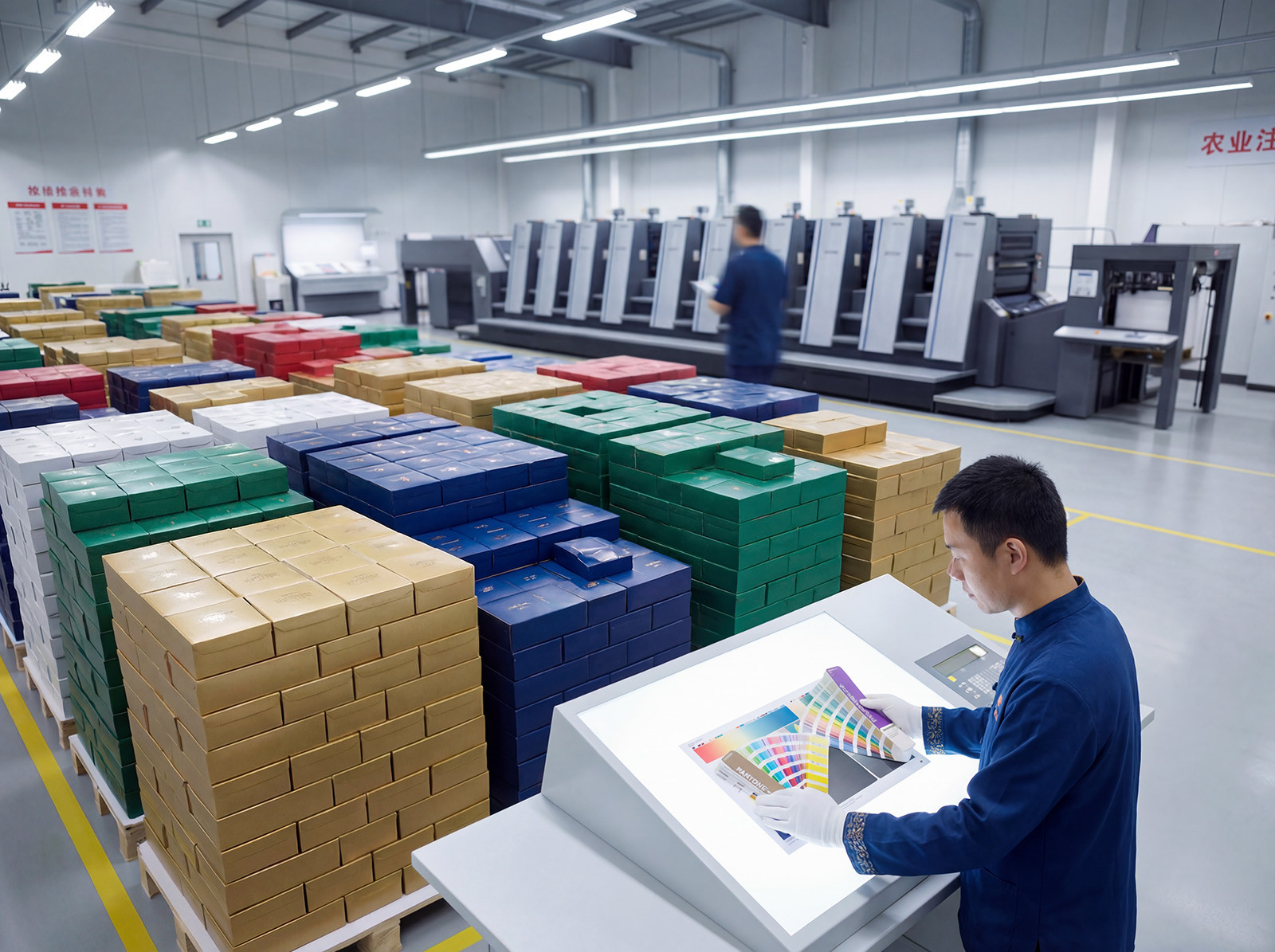
Check copy, legal information, barcode quiet zones, seams, folds and panel orientation after assembly. Colour and finish should be evaluated against an agreed target while recognising the limitations of the chosen prototype method.
Create an unambiguous approval record
Identify the physical sample and file revision that become the production reference. List accepted changes, dimensional requirements, visible quality criteria and any open items before production is released.